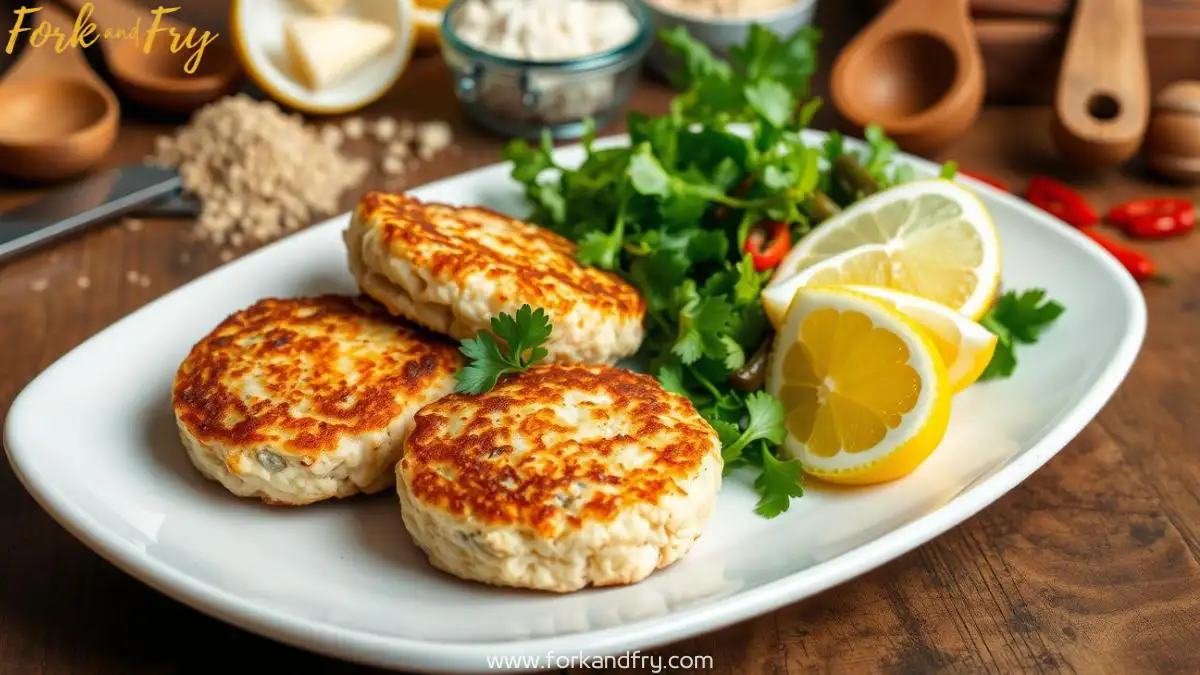
The Secret to Sizzling Crab Cakes: Embrace Lump Meat, Ditch the Filler
There's a reason why a truly exceptional crab cake can instantly transport you to a seaside bistro or a gourmet restaurant. It's that perfect balance of sweet, succulent crab meat, a whisper of seasoning, and a golden, crispy crust. Yet, many home cooks struggle to replicate this magic, often ending up with bready, bland patties that disappoint. The core secret? It all comes down to two golden rules: prioritize premium lump crab meat and master the art of minimal filler.
This comprehensive guide will arm you with the expert tips needed to craft perfect restaurant-quality crab cakes right in your own kitchen. Forget the average, filler-laden imposters; we're here to make the crab the undisputed star of the show.
The Foundation of Flavor: Choosing the Best Crab Meat
When it comes to unforgettable easy homemade crab cakes, the quality of your crab meat isn't just important—it's paramount. Think of it as the canvas for your culinary masterpiece. Skimping here will inevitably lead to a less-than-stellar outcome.
Why "Lump" Crab Meat Reigns Supreme
For crab cakes, "lump" crab meat is your ultimate ally. This isn't just a fancy term; it refers to the beautiful, smaller white pieces of meat harvested from the body of the crab. It strikes the perfect balance for texture and integrity in a crab cake:
- Ideal Size: Lump meat is large enough to offer distinct, meaty bites of crab, ensuring it remains the focus of each mouthful.
- Excellent Structure: Its natural flakiness allows it to bind together with minimal filler, preventing the cake from disintegrating while still providing that coveted tender texture.
- Sweet Flavor: Lump crab meat typically boasts a delicate, sweet flavor that truly shines through without being masked.
While "jumbo lump" crab meat is often seen as the pinnacle of crab, its large, impressive chunks are actually better suited for dishes where they can be showcased whole, such as fresh salads, elegant cocktails, or high-end sandwiches. For crab cakes, where the goal is a cohesive yet crab-forward patty, lump meat provides superior structure and integration.
Steer Clear of Canned Crab Meat
A cardinal rule for any aspiring crab cake connoisseur: avoid anything that comes in a can! Canned crab meat, while convenient and cost-effective, typically has a far inferior texture and often an off-putting metallic taste that will completely undermine your efforts. You simply cannot achieve restaurant-quality results with it.
Instead, invest in refrigerated, fresh lump crab meat. You'll usually find it in plastic containers in the seafood section of most well-stocked grocery stores or, even better, at your local fish market. Look for labels that explicitly state "wild caught lump crab meat." If you're unsure, don't hesitate to ask the person at the seafood counter; they're often a wealth of information. Many enthusiasts, for example, find excellent quality lump crab meat at warehouses like Costco.
The "Less is More" Philosophy: Battling the Filler
This is where many crab cakes go wrong. A common misconception is that you need a lot of breading or binding agents to hold a crab cake together. The truth is, the more filler you add, the further you stray from the delectable, crab-centric experience you're aiming for. Maryland-style crab cakes, renowned for their quality, famously champion very little filler—just enough to ensure they don't fall apart in the pan.
Our philosophy is simple: the crab is the star. Filler is merely the supporting cast, there to provide structure, not to steal the spotlight. When your crab cakes are overloaded with breadcrumbs or other binders, they become dry, dense, and lose that delicate, flaky texture that makes them so appealing. The goal is to taste the sweet crab, not the breading.
Instead of relying on excessive filler, we'll incorporate a judicious blend of complementary ingredients and spices that enhance the crab's natural flavor without overpowering it. Think of fresh, finely diced bell peppers and shallots that add a subtle sweetness and texture, along with classic seafood seasonings like Old Bay, which lend an authentic, irresistible zing.
Crafting Perfection: Essential Ingredients and Preparation Techniques
Once you've selected your pristine lump crab meat, the next step is to combine it with just the right supporting ingredients and master the assembly process.
Beyond the Crab: The Supporting Cast of Flavors
A truly great crab cake recipe features a carefully balanced medley of ingredients that provide moisture, binding, and flavor without overshadowing the crab:
- Binder & Moisture: A single beaten egg is usually sufficient to bind the mixture. A tablespoon or two of mayonnaise adds essential moisture and richness, helping to create a tender interior. Some recipes also benefit from a touch of Dijon mustard for a subtle tang.
- Aromatic Vegetables: Finely minced bell peppers (red or yellow for color and sweetness) and a hint of shallot or green onion provide delicate flavor and texture without being obtrusive. They should be diced so small they almost disappear into the mixture.
- Herbs & Seasoning: Fresh parsley, finely chopped, adds a bright, herbaceous note. For seasoning, Old Bay is a classic choice, embodying the spirit of East Coast crab cakes. A pinch of black pepper and cayenne for a slight kick completes the flavor profile. Worcestershire sauce can also add a layer of savory depth.
- The Minimal "Filler": Panko breadcrumbs are our preferred choice when a small amount of binder is needed. Their light, airy texture helps maintain a delicate crumb, unlike regular breadcrumbs which can make crab cakes dense. Use sparingly—just enough to help the mixture hold its shape.
The Art of Mixing, Chilling, and Forming
Achieving the perfect crab cake consistency requires a delicate touch:
- Gentle Mixing: Combine all ingredients (except cornstarch, olive oil, and the final panko for coating) in a mixing bowl. Crucially, mix gently! Overmixing will break up the delicate lump crab meat, leading to a mushy texture. Use your hands or a rubber spatula to lightly fold everything together until just combined.
- The Chill Factor: This step is non-negotiable for superior crab cakes. Once mixed, cover the bowl and refrigerate the mixture for at least an hour, but ideally for several hours or even overnight. Chilling allows the flavors to meld beautifully and, more importantly, helps the mixture firm up. This prevents the cakes from falling apart during cooking and ensures they hold their shape. This foresight makes dinner preparation incredibly quick, as the cooking itself takes mere minutes.
- Forming Perfect Discs: Use a ⅓ cup measuring scoop for consistent portioning. Gently tap the mixture out onto your hand, then lightly pat and form it into a flat disc. Avoid making them too flat, which can make them dry, or too thick, which can lead to uneven cooking. This mixture typically yields about 6-7 perfect crab cakes.
The Golden Finish: Cooking Methods for Crispy Perfection
Now for the satisfying sizzle! Achieving that coveted golden-brown, crispy exterior is key:
- Breading (Optional but Recommended): For an extra layer of crispiness, lightly dust each formed crab cake with a little cornstarch, then dip it into a bowl of beaten egg, and finally press it into a bowl of Panko breadcrumbs. The Panko creates an incredibly light and crunchy crust.
- Pan-Frying (The Gold Standard): Heat a large skillet over medium heat and add a generous amount of olive oil or another high-heat oil. Once hot, carefully add the crab cakes. Cook for 3-4 minutes per side, until they are beautifully golden brown and crispy. Avoid overcrowding the pan to ensure even cooking and crisping.
- Alternative Methods: While pan-frying delivers the best crust, you can also bake or air fry crab cakes for a slightly lighter option. Refer to specific recipe instructions for precise temperatures and times if opting for these methods.
Elevating Your Crab Cake Experience
A perfect crab cake is a feast in itself, but the right accompaniments can elevate the entire dining experience.
The Perfect Sauces and Serving Suggestions
Don't skip the sauce! A homemade dipping sauce can perfectly complement the rich flavor of the crab cake:
- Chipotle Mayo: A popular choice, offering a smoky, spicy kick that pairs wonderfully with sweet crab.
- Classic Tartar Sauce: The traditional favorite, with its creamy, tangy profile.
- Lemon Aioli or Remoulade: Other excellent options that add a touch of sophistication.
Serve your homemade crab cakes immediately while they're warm and crispy. They make an impressive appetizer for a dinner party or date night, a sophisticated main course when paired with a fresh green salad or roasted asparagus, or even a decadent brunch option as part of a Crab Cake Benedict. Their versatility makes them ideal for holiday meals or any occasion where you want to impress without hours in the kitchen.
Make-Ahead & Leftovers
One of the beauties of these crab cakes is their make-ahead potential. You can mix and form the patties, then refrigerate them (unbreaded) for up to 24 hours before cooking. The sauces can also be prepared in advance. If you happen to have any leftover lump crab meat, don't let it go to waste! It's fantastic in a creamy crab dip or an elegant crab salad.
Conclusion
Crafting perfect restaurant-quality crab cakes at home is an entirely achievable culinary goal. By focusing on the essential elements—selecting premium lump crab meat, adopting a "less is more" approach to filler, and mastering the simple yet crucial preparation techniques—you can transform your dining experience. So, ditch the bready imitations and embrace the genuine article. With these expert tips, you're now equipped to create golden, crispy, and utterly delicious crab cakes that will impress even the most discerning palates. Happy cooking!
