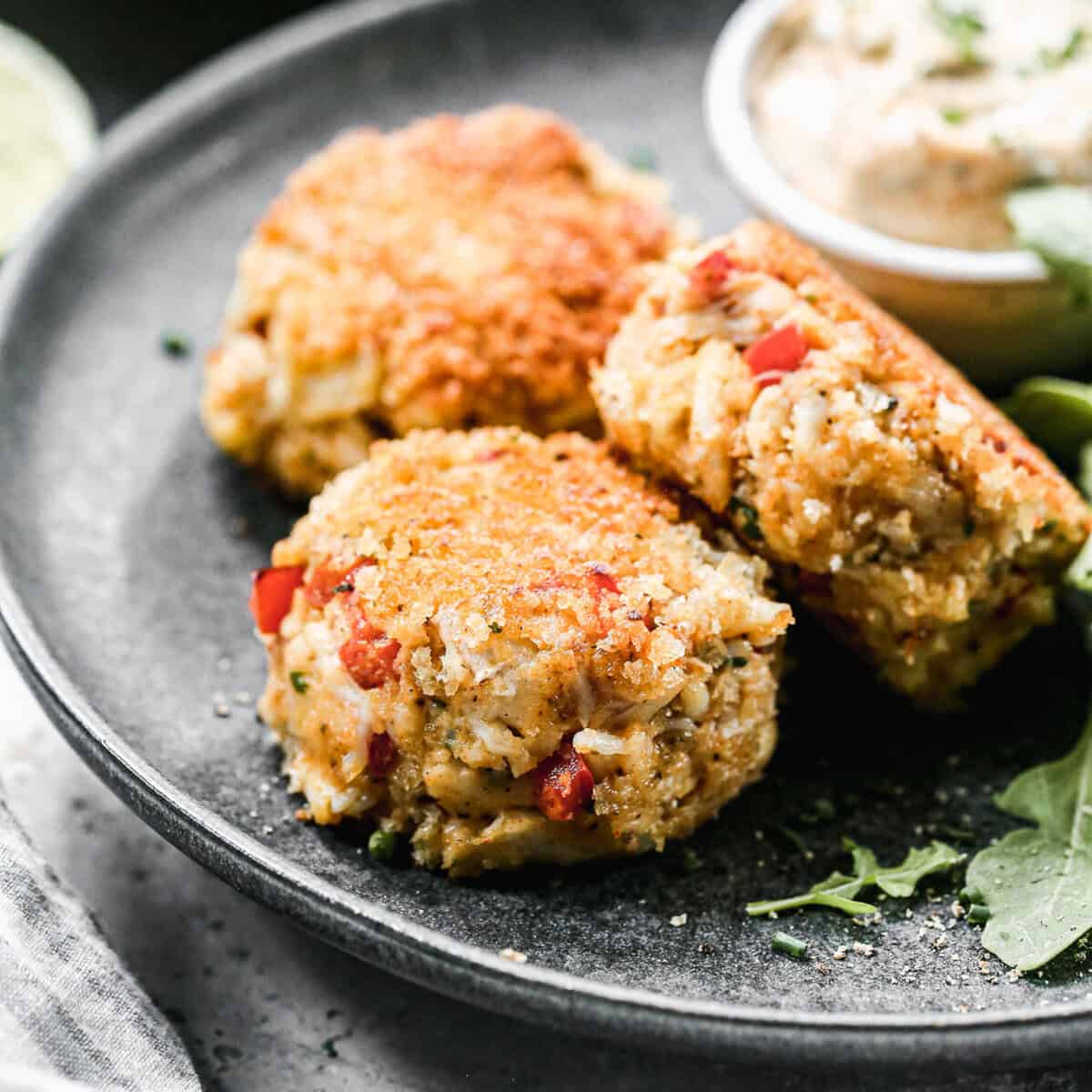
Imagine biting into a perfectly golden, crispy exterior, revealing a tender, flaky interior bursting with sweet, succulent crab meat. No, this isn't from your favorite upscale seafood restaurant; it's from your own kitchen. Mastering easy homemade crab cakes is not just a culinary skill, it's a passport to an elevated dining experience that's surprisingly simple to achieve. Forget the heavy, filler-laden versions you might have encountered elsewhere. This guide focuses on crafting restaurant-quality crab cakes that put the crab front and center, ready in minutes.
The Secret to Restaurant-Quality Crab Cakes: It Starts with the Crab
The foundation of any exceptional crab cake lies unequivocally in the quality of its star ingredient: the crab meat itself. This isn't a dish where you can cut corners and expect stellar results. If you want truly indulgent, flavorful crab cakes that rival any fine dining establishment, selecting the right crab meat is paramount.
Choosing Your Crab: Lump Meat is King
For easy homemade crab cakes, "lump" crab meat is your ultimate choice. This refers to smaller, delicate white pieces of meat primarily from the body of the crab. It offers the perfect balance of texture and size, allowing it to hold together beautifully in a patty while still providing that distinct, satisfying mouthfeel of fresh crab.
- Why not Jumbo Lump? While jumbo lump crab meat is exquisite, featuring large, impressive whole pieces from the swimming fins, it's generally too big and delicate for crab cakes. It’s better reserved for fresh salads or cocktails where its impressive size can truly shine.
- The Dangers of Canned Crab: A firm "no" to anything that comes in a can. Canned crab meat often has a metallic taste, inferior texture, and lacks the vibrant freshness necessary for truly memorable crab cakes.
- Where to Find the Best: Seek out refrigerated, pasteurized lump crab meat. You’ll typically find it in plastic containers in the seafood section of most well-stocked grocery stores or, even better, at your local fish market. Many shoppers also report excellent quality from warehouse clubs like Costco. Don't hesitate to ask the seafood counter staff for "wild caught lump crab meat" if you're unsure.
Investing in quality crab meat means your homemade crab cakes will be naturally sweeter, more succulent, and infinitely more satisfying. Remember, the crab is the undisputed star of this show – let it shine!
Crafting Your Perfect Crab Cakes: Step-by-Step Guide
With your premium crab meat in hand, the journey to creating restaurant-quality crab cakes is surprisingly swift and straightforward. The key here is
The Art of Minimalist Filler
Unlike many commercially prepared crab cakes that rely heavily on breading and binders, our philosophy is simple: use just enough to hold the cakes together, and choose ingredients that enhance, rather than mask, the crab flavor. A small amount of finely diced fresh bell peppers (for a hint of sweetness and texture), a dash of seafood seasoning like Old Bay (a Maryland classic!), and a judicious amount of binder are all you need.
Mixing and Chilling for Flavor & Form
- Gentle Mixing: In a mixing bowl, combine your picked-over lump crab meat with all the other crab cake ingredients *except* the cornstarch, olive oil, panko breadcrumbs, and egg for dipping. The emphasis here is on
gentle mixing. Over-mixing can break up the delicate crab lumps and lead to a rubbery texture. You want the mixture to just come together. - The Magic of Chilling: This step is crucial and often overlooked. Once mixed, cover the bowl and refrigerate the crab cake mixture for at least an hour. Ideally, if you're planning dinner, mix it in the morning or after lunch. Chilling allows the flavors to meld beautifully and, more importantly, helps the mixture firm up, making the cakes much easier to form and preventing them from falling apart during cooking. This simple act transforms the remaining process into a mere 10-minute endeavor.
Forming and Coating for that Golden Crisp
- Perfect Portions: Use a ⅓ cup measuring scoop to portion your crab mixture. Gently tap it into your hand, then lightly pat and form it into a flat disc. Avoid making them too thin; a good thickness ensures a moist interior. This recipe typically yields about 7 perfectly sized crab cakes.
- The Crispy Coat: Arrange three shallow bowls: one with a lightly beaten egg, one with cornstarch, and one with panko breadcrumbs. Sprinkle cornstarch lightly on both sides of each formed crab cake. This initial dusting helps create an even crispier crust.
- Egg and Panko Dip: Carefully dip each cornstarch-dusted crab cake into the beaten egg, allowing any excess to drip off. Then, transfer it to the bowl of panko breadcrumbs, pressing gently to ensure a thorough and even coating. Panko is superior to regular breadcrumbs for its light, airy texture, which delivers an unparalleled crispness.
Pan-Frying to Perfection
Heat a large skillet over medium heat. Add a generous spray or drizzle of olive oil. Once the oil is hot and shimmering, carefully place your coated crab cakes into the skillet, ensuring not to overcrowd the pan. Cook for approximately 3-4 minutes per side, until they achieve a gorgeous golden brown color and a crispy exterior. The medium heat is critical; too low, and they'll absorb too much oil and be soggy; too high, and they'll burn before the interior is heated through.
Beyond the Pan: Cooking Variations and Serving Suggestions
While pan-frying offers that irresistible crispy crust, your homemade crab cakes are versatile enough for other cooking methods and countless serving possibilities.
Alternative Cooking Methods
- Baking: For a lighter option, bake your crab cakes. Preheat your oven to 400°F (200°C), place the formed cakes on a parchment-lined baking sheet, and bake for 15-20 minutes, flipping halfway, until golden brown and heated through. You might not get the exact same crunch as pan-frying, but it’s a healthier alternative.
- Air Frying: Air frying is an excellent middle-ground, offering a crisp texture with less oil. Preheat your air fryer to 375°F (190°C). Lightly spray the crab cakes with cooking oil, then air fry for 8-12 minutes, flipping halfway, until golden and crispy.
Elevate with the Perfect Sauce
No crab cake is truly complete without a complementary dipping sauce. A homemade sauce takes just minutes to prepare and perfectly balances the richness of the crab. Consider a zesty chipotle mayo for a smoky kick, a classic lemon-dill aioli, or a vibrant tartar sauce. The sauce can also be made in advance, further streamlining your meal preparation.
Serving Ideas for Every Occasion
The versatility of mastering easy homemade crab cakes means they can grace your table for any meal or occasion:
- Elegant Appetizer: Serve mini crab cakes with a dollop of sauce for a sophisticated starter at dinner parties.
- Main Course Marvel: Pair larger crab cakes with a fresh green salad, roasted asparagus, or wild rice for a satisfying main dish.
- Brunch Brilliance: Transform your brunch spread with
Crab Cake Benedicts – simply substitute the English muffin with a crispy crab cake for an unforgettable experience. - Gourmet Sandwiches: Serve them on toasted brioche buns with lettuce and tomato for an elevated crab cake sandwich.
Troubleshooting & Expert Tips for Crab Cake Success
Even with the best ingredients and intentions, small tweaks can make a big difference. Here are some common issues and expert advice for guaranteed success with your homemade crab cakes:
- Cakes Falling Apart?
- Not Chilled Enough: The chilling step is vital. A well-chilled mixture holds its shape better.
- Too Much Moisture: Ensure you've drained your crab meat thoroughly. Excess liquid can prevent binding.
- Over-Handling: Form the cakes gently but firmly. Don't overwork the mixture.
- Soggy Crab Cakes?
- Not Enough Binder: While we advocate for minimal filler, too little binder can lead to a mushy interior. Ensure you have enough egg and panko in the mixture, or adjust the exterior coating.
- Skillet Not Hot Enough: The oil needs to be sufficiently hot to create an immediate crust, sealing in moisture and preventing oil absorption.
- Overcrowding the Pan: Cook in batches if necessary. Overcrowding lowers the pan temperature, leading to steaming rather than frying, and prevents browning.
- Flavor Lacking?
- Low-Quality Crab: Revisit your crab meat selection. It truly makes the biggest difference.
- Insufficient Seasoning: Don't be shy with your chosen spices. A dash of Old Bay, a squeeze of lemon, or fresh herbs can brighten the flavors significantly.
- Prepping Ahead: You can prepare the crab cake mixture up to 24 hours in advance and store it in the refrigerator. You can also form the cakes, coat them, and then refrigerate them on a parchment-lined tray for a few hours before cooking. This makes dinner prep incredibly fast.
Making easy homemade crab cakes is a truly rewarding culinary endeavor. By prioritizing fresh, quality ingredients, especially lump crab meat, and following these simple steps and expert tips, you can consistently create restaurant-quality crab cakes in your own kitchen. Whether for a special date night, a holiday feast, or a simple weeknight treat, these golden, crispy delights promise an unforgettable burst of ocean-fresh flavor that will impress every time.
