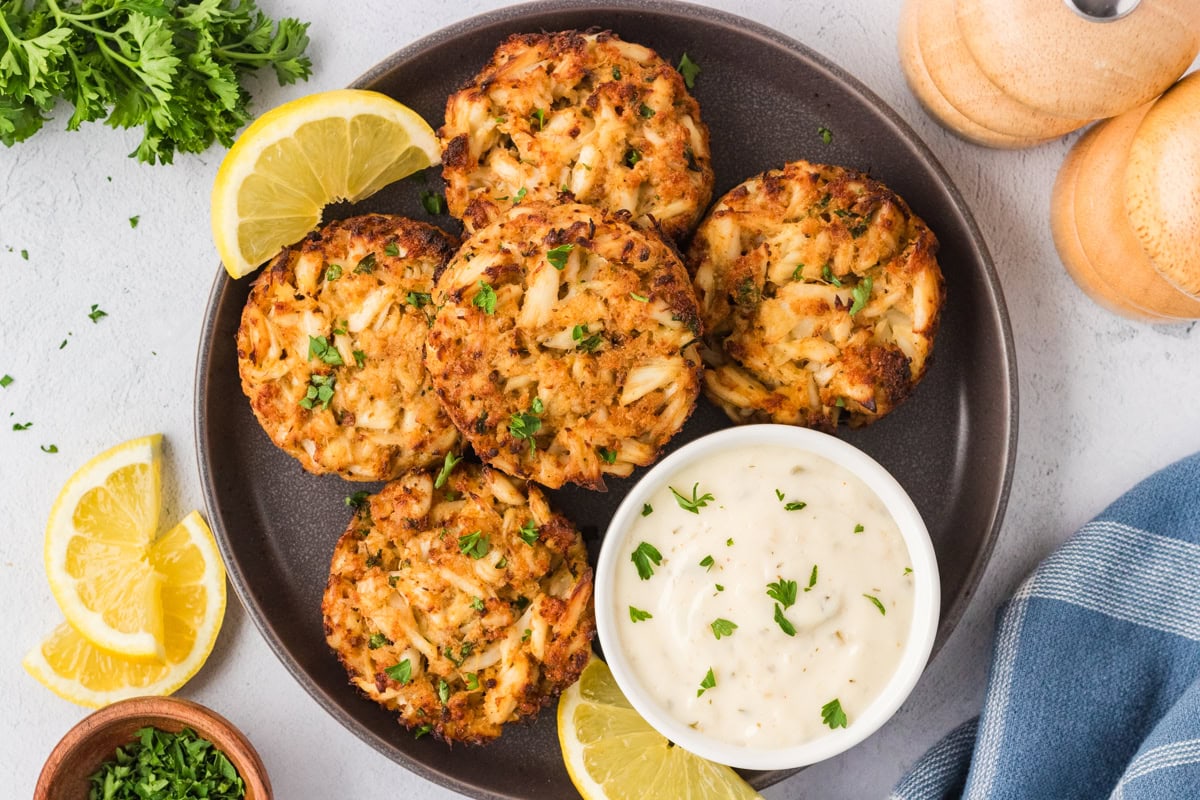
The Quest for Restaurant-Quality Crab Cakes: Lump Crab, Light on Filler
Imagine sinking your teeth into a perfectly golden, crispy exterior, giving way to succulent, sweet crab meat, minimally bound and bursting with flavor. This isn't just a dream reserved for high-end dining; it's the essence of truly exceptional restaurant-quality crab cakes you can craft right in your own kitchen. The secret? It lies in two fundamental principles: prioritizing premium lump crab meat and embracing a philosophy of being blissfully light on filler.
Far too often, commercially prepared or even some homemade homemade crab cakes disappoint with their overwhelming breading, dry texture, or a flavor profile where the delicate crab is an afterthought. Our mission today is to demystify the process, empowering you to create crab cakes that rival your favorite seaside bistro. We'll focus on methods that allow the inherent sweetness and texture of the crab to shine, complemented by subtle seasonings rather than masked by excessive binders.
Choosing Your Star Ingredient: The Uncompromised Value of Lump Crab Meat
When it comes to crafting truly magnificent crab cakes, the quality of your crab meat isn't just important; it's paramount. It is, after all, the star of the show, and no amount of expert seasoning or perfect cooking can elevate inferior crab. For expert tips for perfect crab cakes: choosing lump meat & avoiding filler, understanding the different grades is key.
Why Lump Crab is King for Crab Cakes
While various grades of crab meat exist, lump crab meat stands out as the ideal choice for crab cakes. It consists of smaller, broken pieces of jumbo lump and other large flakes from the body of the crab. These pieces are substantial enough to provide that desirable meaty bite without being overly large, ensuring they integrate beautifully into the cake mixture without dominating or creating too many voids.
- Texture: Lump crab offers a delightful balance of tenderness and structure. Its individual flakes hold their shape during mixing and cooking, preventing a mushy result.
- Flavor: The inherent sweetness of fresh lump crab meat is unparalleled. With minimal filler, this natural flavor is front and center.
- Appearance: The pristine white flakes create an inviting visual appeal, instantly signaling quality.
Lump vs. Jumbo Lump: A Subtle but Important Distinction
You might also encounter "jumbo lump" crab meat. These are the largest, most intact pieces from the swimming fins of the crab. While luxurious and perfect for salads, ceviches, or topping dishes where you want an impressive, whole piece of crab, jumbo lump can sometimes be too large and delicate for crab cakes. Its size can make the cakes harder to bind without breaking apart, or require more filler to compensate, which defeats our primary goal. For the perfect balance of texture and ease of binding, lump crab meat is generally preferred over jumbo lump when making crab cakes.
Where to Find Quality Crab Meat
Your best bet for procuring high-quality, fresh lump crab meat is usually your local fish market or the seafood counter at a reputable grocery store. It will typically be found in clear plastic containers, clearly labeled "wild caught lump crab meat," and kept refrigerated. Avoid anything that comes in a can or is shelf-stable; these varieties often contain preservatives, lack the fresh flavor, and have a texture that simply won't yield a restaurant-quality crab cake. If in doubt, don't hesitate to ask the seafood counter staff for their recommendations; they are a valuable resource.
Crafting the Masterpiece: Step-by-Step Guide to Restaurant-Quality Crab Cakes
With your premium lump crab meat in hand, the real magic begins. The key to making these easy homemade crab cakes truly shine lies in a delicate balance of ingredients and careful handling.
The Ideal Mixture: Complement, Don't Compete
Our philosophy here is simple: every ingredient should enhance, not overpower, the natural flavor of the crab. The goal is to bind the crab just enough so the cakes hold together, while allowing the crab to remain the undisputed star.
- The Core Ingredients: Start with your drained lump crab meat. Gently pick through it to remove any lingering shell fragments.
- Minimal Binder: Unlike many recipes that rely heavily on breadcrumbs, we use just enough to create structure. A small amount of panko breadcrumbs adds texture without bulk. Alongside this, an egg and a touch of mayonnaise or Dijon mustard (or both, depending on your preferred flavor profile) provide moisture and emulsification, helping the ingredients coalesce.
- Flavor Enhancers: Finely diced bell peppers (red or yellow for color and sweetness), finely minced shallots or green onions, and fresh parsley add a subtle aromatic complexity and a touch of freshness.
- Seasoning: A dash of Old Bay seasoning (a classic for Maryland-style crab cakes), a pinch of cayenne for a subtle kick, and salt and freshly ground black pepper are usually all you need. Remember, the crab itself is flavorful, so season judiciously.
- Gentle Mixing: Combine all ingredients in a bowl, but do so with a very light hand. Use a rubber spatula or your hands to gently fold everything together, being careful not to break up the beautiful flakes of crab meat. Over-mixing leads to a dense, tough crab cake.
- The Chill Factor: Once mixed, cover the bowl and refrigerate the mixture for at least an hour, or even better, several hours. This chilling period allows the flavors to meld beautifully and, crucially, helps the mixture firm up, making the cakes much easier to form without crumbling. This step is non-negotiable for success!
Forming and Frying for Perfection
With your chilled mixture, you're ready to bring your crab cakes to life.
- Forming the Cakes: Use a ⅓ cup measuring scoop for consistent sizing. Gently scoop the mixture and form it into flat, but not overly compressed, discs. Aim for about 1 to 1.5 inches thick. This recipe typically yields about 7-8 perfect cakes. Handle them delicately to maintain their light structure.
- The Crispy Coating: For that irresistible golden crunch, you'll create a two-step coating process. First, lightly dredge each formed crab cake in a shallow dish of cornstarch – this creates a dry surface for the egg wash to adhere to. Then, dip it into a beaten egg wash, allowing any excess to drip off, and finally, gently press it into a bowl of panko breadcrumbs, ensuring both sides are evenly coated. Panko provides a superior crispiness to regular breadcrumbs.
- Pan-Frying for Glory: Heat a large, heavy-bottomed skillet (cast iron works wonderfully) over medium heat. Add a generous amount of olive oil or a neutral oil with a high smoke point (like grapeseed or avocado oil). Once the oil is shimmering and hot but not smoking, carefully place the coated crab cakes into the skillet, ensuring not to overcrowd the pan. Cook for 3-4 minutes per side, until they are beautifully golden brown and crispy. The internal temperature should reach 145°F (63°C).
- Alternative Cooking Methods: While pan-frying delivers the ultimate crispiness, you can also bake or air fry your crab cakes for a lighter option. For baking, preheat your oven to 400°F (200°C), lightly oil a baking sheet, and bake for 15-20 minutes, flipping halfway, until golden. For air frying, preheat to 375°F (190°C), lightly spray the cakes with oil, and air fry for 10-12 minutes, flipping halfway.
Beyond the Cake: Serving Suggestions and Pairings
Your perfectly cooked restaurant-quality crab cakes deserve equally delicious accompaniments to complete the experience.
- The Essential Sauce: A creamy, zesty sauce is non-negotiable. A homemade chipotle mayo, made with mayonnaise, lime juice, chipotle in adobo, and a touch of garlic, offers a smoky, tangy kick. Alternatively, a classic homemade tartar sauce with dill, capers, and pickles is always a hit. These sauces take mere minutes to whip up and perfectly complement the richness of the crab.
- Versatile Serving:
- Appetizer: Serve smaller crab cakes as an elegant starter at your next dinner party.
- Main Course: Pair larger cakes with a fresh green salad, roasted asparagus, or a light lemon risotto for a satisfying meal.
- Brunch Delight: For an unforgettable brunch, use them as the base for the most incredible Crab Cake Benedicts, replacing the English muffin with your crispy crab cake.
- Beverage Pairings: Crisp white wines like Sauvignon Blanc, Pinot Grigio, or a dry sparkling wine beautifully cut through the richness of the crab. For beer enthusiasts, a light lager or a crisp pilsner makes an excellent companion.
Savor the Simplicity of Excellence
Crafting restaurant-quality crab cakes at home is an incredibly rewarding culinary endeavor. By focusing on the purity of fresh lump crab meat and understanding the art of being light on filler, you unlock a depth of flavor and a superior texture that transforms a simple dish into an extraordinary one. The process, while meticulous in its attention to quality, is surprisingly straightforward and quicker than you might imagine, especially with advance preparation. So, embrace the philosophy of letting the crab shine, and prepare to impress yourself and your guests with these truly exceptional homemade crab cakes.
